
かつて僕は、アウトドア経験の浅いメンバーが多いチームを率いていた。
川を下り、山へ入る。
責任者は僕だった。計画を決定し、メンバーの状態を見極め、状況に応じて役割を割り振る。そして、最後の判断とその結果に責任を持つ。
メンバーの中には経営者もいれば、有名企業に勤める会社員もいた。遭難は本人や家族の生命と生活に関わる。もし報道されれば、所属する会社や社会にも影響が及ぶ可能性がある。
だから僕は、一つだけ絶対に守ると決めていた。
ケガを避ける努力は当然する。それでも自然の中へ入る以上、擦り傷程度の小さなケガまで完全にゼロにはできない。
しかし、パーティ全体を遭難させることだけは、絶対にしない。
特にダウンリバーは、マネジメントの凝縮版だった。
川へ入れば、激しい水音で会話ができなくなる。紙の地図は濡れれば使えない。カメラや携帯電話も水没させるわけにはいかないので、防水バッグへ入れる。
時刻は携帯電話で確認できる。
しかし、そのためには流れの中で手を止め、防水バッグを開け、携帯電話を取り出さなければならない。
情報を持っていることと、その場ですぐに使えることは違う。
僕は一度、このわずかな手間から時刻の確認が疎かになり、タイムマネジメントに失敗したことがある。
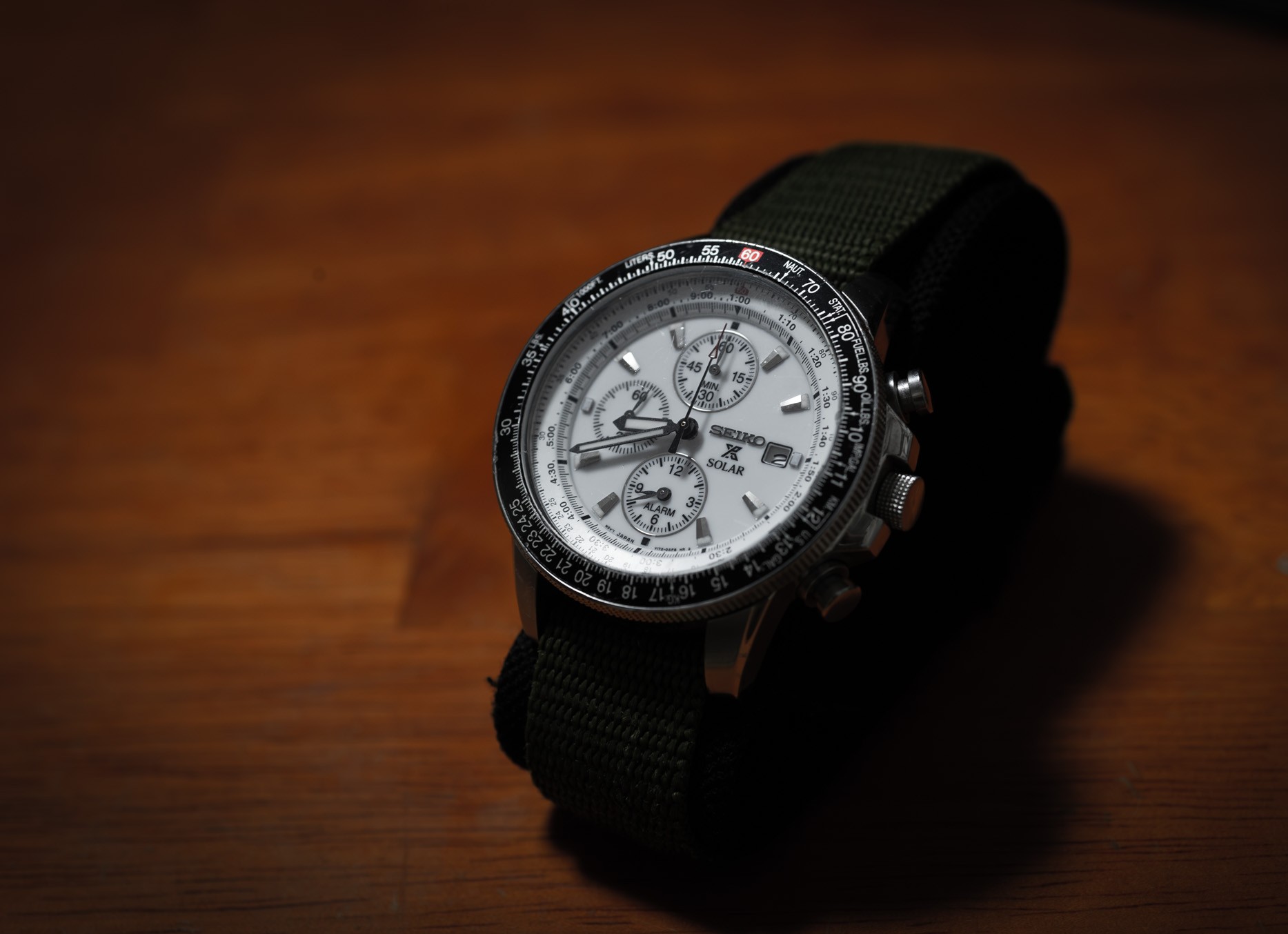
そこで、アウトドアで使える堅牢な腕時計を導入した。
これは正解だった。
手首を見るだけで、瞬時に時刻を確認できる。携帯電話のように取り出す必要もなければ、行動や周囲への注意を中断する必要もない。
腕時計が時間を生み出したわけではない。
時間を確認する際の摩擦を、取り除いてくれたのだ。
責任者として、僕は時間に敏感でなければならなかった。
メンバー一人ひとりの体力と気力を見る。水、食料、装備の残量を確かめる。天候の変化を15分単位で読み直し、計画を修正する。現在地と残り時間を照合し、達成可能なルートを逐次吟味する。
計画は僕が決める。しかし、最初に決めた計画を守ること自体を目的にはしない。
一人であれば、状況に応じて何とでも対応できることがある。しかしパーティでは、全員が同じように動けるとは限らない。計画には、あらかじめエスケープルートを組み込んでおく必要がある。
以前、同じ程度の技量を持つ仲間と二人で、あるルートを攻めたことがあった。そのときは状況を見て計画を変更し、ビバークを選択した。
撤退や停滞も失敗ではない。全員を帰すための計画変更である。
どこまで進めるか。どこで引き返すか。どの選択肢を取れるか。それは、チームとしての最低ラインがどこにあるかによって変わる。
エスケープルートを持つことは、その最低ラインを見極め、余裕、つまりマージンを管理することでもある。
山であれば、ピークハントにもこだわらない。
進むことが危険なら引き返す。別のルートが適切なら変更する。目標を次の機会へ持ち越すこともある。
変えてよいのは、経路、速度、役割、予定、そして時には目的地。
変えてはいけないのは、全員を帰すという完了条件だった。
判断の責任は僕が引き受ける。一方で、行動に必要な役割は、それぞれの力量や状態を見ながらメンバーへ振り分ける。
任せることと、責任を手放すことは違う。
適切な役割を持つことで、メンバーは単に「連れて行かれた人」ではなく、自分も活動を成立させた当事者になる。
最終的な計画を達成して全員が帰還したとき、一人ひとりに残る納得感がある。
自分の判断や行動が仲間の役に立った。状況の変化に対応し、自分たちの力で活動を完遂した。その実感は、ときに、ただ山頂へ立ったという結果以上の意味や価値をもたらす。
だから、ピークに届かなかった活動にも成功はある。反対に、ピークに立てても、誰かが置き去りにされたような思いを抱いて帰るなら、それを本当の成功とは呼びにくい。
アウトドアで学んだマネジメントは、人を計画どおりに動かすことではなかった。
変化する状況を観察し、必要な情報をいつでも使える状態にして、限られたリソースを配分する。守るべき基準には頑固でありながら、そこへ至る方法は柔軟に変え続ける。
メンバーから寄せられる情報、提案、希望も逐次検討する。そして、一人ひとりが役割を果たし、納得感を持って、全員が帰還するところまで責任を持つ。
山頂も、川の終点も、活動の途中にある成果にすぎない。
帰るまでが活動である。
あのとき僕が腕時計で見ていたのは、自分一人の時刻ではなかった。
全員を無事に帰すために、僕たちに残されている時間だった。
English
The Watch That Brought Everyone Home
I once led a team made up largely of people with limited outdoor experience.
We went down rivers and into the mountains.
I was the person responsible. I made the plans, assessed the condition of each member, assigned roles according to the situation, and took responsibility for the final decisions and their consequences.
Some members were business owners. Others worked for well-known companies. If someone became lost or seriously injured, the consequences would extend far beyond the individual. Families, livelihoods, employers, and even the public could be affected.
So I made one rule absolute.
Of course, we would do everything possible to avoid injury. But once you enter the natural environment, it is unrealistic to guarantee that no one will ever suffer even a minor scrape or bruise.
What I would not allow was for the entire party to become stranded.
Downriver expeditions, in particular, were management compressed into its purest form.
Once on the river, the roar of the water made conversation difficult. Paper maps became useless if soaked. Cameras and mobile phones had to be sealed inside waterproof bags.
A phone could tell me the time.
But to check it, I had to stop in the middle of the flow, open the waterproof bag and take the phone out.
Having information and being able to use it immediately are not the same thing.
Once, that small amount of friction was enough for me to neglect checking the time, and I failed at time management.
So I introduced a rugged outdoor wristwatch.
It was exactly the right decision.
With a glance at my wrist, I could know the time instantly. I did not need to take anything out, interrupt my movement, or shift my attention away from what was happening around me.
The watch did not create more time.
It removed the friction involved in accessing it.
As the person responsible, I had to be highly sensitive to time.
I watched the physical and mental condition of every member. I checked water, food and equipment. I reassessed the weather in fifteen-minute increments and adjusted the plan. I compared our current position with the time remaining and continuously reconsidered which routes were still achievable.
I made the plan.
But following the original plan was never the goal in itself.
When alone, a person can sometimes adapt in whatever way the situation demands. In a group, however, not everyone can move at the same pace or with the same ability.
A plan for a party therefore needs escape routes from the beginning.
Years earlier, I had attempted a route with one other person whose skill level was close to mine. When conditions changed, we altered the plan and chose to bivouac.
Retreating or stopping is not necessarily failure.
Sometimes it is simply a change in plan made so that everyone can return safely.
How far can we continue? When should we turn back? Which options remain available?
The answers depend on the minimum capability of the team as a whole.
Having escape routes means identifying that minimum line and managing the margin around it.
In the mountains, I was never obsessed with reaching the summit.
If continuing became dangerous, we turned back. If another route was more appropriate, we changed course. Sometimes we carried the objective forward to another day.
The route could change. The pace could change. Roles could change. The schedule could change. Even the destination could change.
What could not change was the completion condition:
Everyone returns.
I accepted responsibility for the decisions. At the same time, I distributed the necessary roles among the members according to their abilities and condition.
Delegating responsibility for action is not the same as abandoning responsibility for the outcome.
When people are given appropriate roles, they are no longer simply “the people being taken along.”
They become participants who helped make the activity possible.
When the final plan is completed and everyone returns, each person carries a sense of ownership.
My judgment mattered. My actions helped someone else. We responded to change and completed the activity through our own effort.
That feeling can sometimes carry more value than simply standing on a summit.
For that reason, an activity can still be a success even if the peak is never reached.
And conversely, even if everyone reaches the top, it is difficult to call it a true success if someone returns feeling that they were left behind along the way.
What I learned about management outdoors was not how to make people follow a plan.
It was how to observe a changing situation, keep necessary information immediately accessible, and allocate limited resources.
It meant being stubborn about the standards that must be protected, while remaining flexible about the methods used to protect them.
It meant continually considering the information, suggestions and wishes coming from the members.
And it meant taking responsibility until every person had fulfilled a role, felt that they had participated meaningfully, and returned safely.
A summit is only one achievement along the way.
So is the end of a river.
The activity is not over until everyone is home.
Back then, when I looked at my watch, I was not checking the time for myself.
I was checking how much time we still had left to bring everyone home safely.